
September made a process that is often diffuse more visible: politics is once again influencing how investors assess Brazilian assets. The recent improvement in equities coincided with changes in polls and prediction markets, and some participants began associating the move with a higher perceived probability of a government viewed as more committed to fiscal adjustment.
This channel appeared in market reporting and should be treated precisely. Recent polls placed Luiz Inácio Lula da Silva and Flávio Bolsonaro in a technical tie in hypothetical second-round contests, within the margins of error. At the same time, election-related prediction markets repriced significantly during the month. These markets do not replace polling firms and should not be read as objective estimates of the election result, but they do provide another window into investor sentiment.
The channel most frequently cited by participants is fiscal policy. According to Reuters reports, investors believe a potential Flávio Bolsonaro victory could create room for an agenda perceived as more market-friendly and for additional fiscal adjustment. This is an argument made by market participants — not a normative conclusion or a guarantee of what would happen in practice. Any government will face budget constraints, a fragmented Congress and the need to negotiate priorities.
The best framing may therefore be that the election has moved from the footnotes back into market pricing. It interacts with interest-rate expectations, the long end of the curve, the exchange rate and foreign flows, but it is unlikely to explain all recent market behavior on its own. Oil, the Fed, China and domestic activity remain relevant. The analytical value lies in treating the election as one more driver of the risk premium — not as the sole explanation for equity gains or losses.
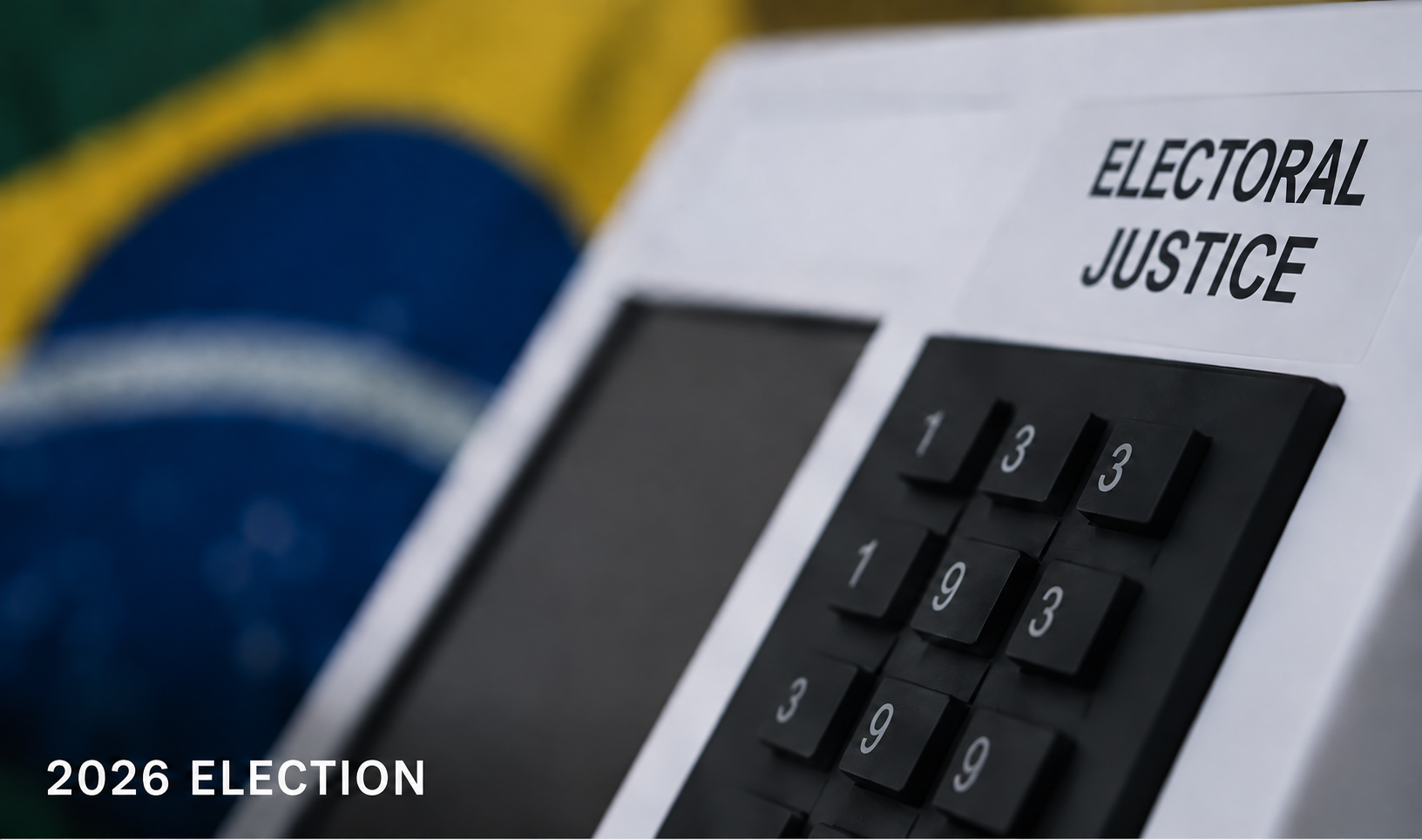
Illustrative image for the article.
In summary
- Polls and prediction markets have begun to influence investor sentiment more clearly.
- Fiscal perceptions remain the main transmission channel between politics and asset prices.
- Prediction markets reflect sentiment; they neither replace election polls nor determine the result.
Sources
- Reuters — AtlasIntel/Bloomberg: Lula and Flávio Bolsonaro are in a technical tie in a second-round scenario (17 Sep 2026). Access source
- Reuters — Latin American markets edge higher; participants connect asset performance to changing election odds and fiscal perceptions (17 Sep 2026). Access source
- Polymarket — markets related to Brazil's presidential election. Access source
- Reuters — Brazil vote offers opposing politics, similar fiscal outcomes (26 Aug 2026). Access source
Visual note: charts were prepared for OTR Capital from the sources listed; illustrative images were generated with AI where a chart would not serve the editorial purpose.