
The Bank of Japan raised its policy rate from 1.00% to 1.25%, the highest level in more than three decades. In absolute terms, the rate still looks low compared with Brazil or the United States. In historical and institutional terms, however, the move matters: the country that symbolized ultra-low rates for years continues, step by step, to leave its extraordinarily accommodative regime behind.
The change is not only about the level of rates. It signals a transformation in the BoJ's reaction function. The debate has shifted from how to stimulate inflation and activity in a chronically weak environment to how to prevent inflation from remaining above target. This changes the outlook for the currency, Japanese fixed income and the behavior of the country's institutional investors.
For international markets, the most interesting issue is the effect on liquidity and flows. Higher domestic rates tend to make Japanese bonds relatively more attractive, reducing the incentive for part of the country's savings to seek returns abroad. In a world accustomed to using the yen as cheap funding for carry trades, any BoJ normalization deserves attention.
Even so, the bank's message emphasized gradualism. The market reaction was contained, and the yen weakened at one point as investors concluded that the path ahead would not be aggressive. In other words, Japan has left zero behind but does not intend to run. For global investors, the most appropriate reading may be that of a structural risk moving slowly, but in one direction.
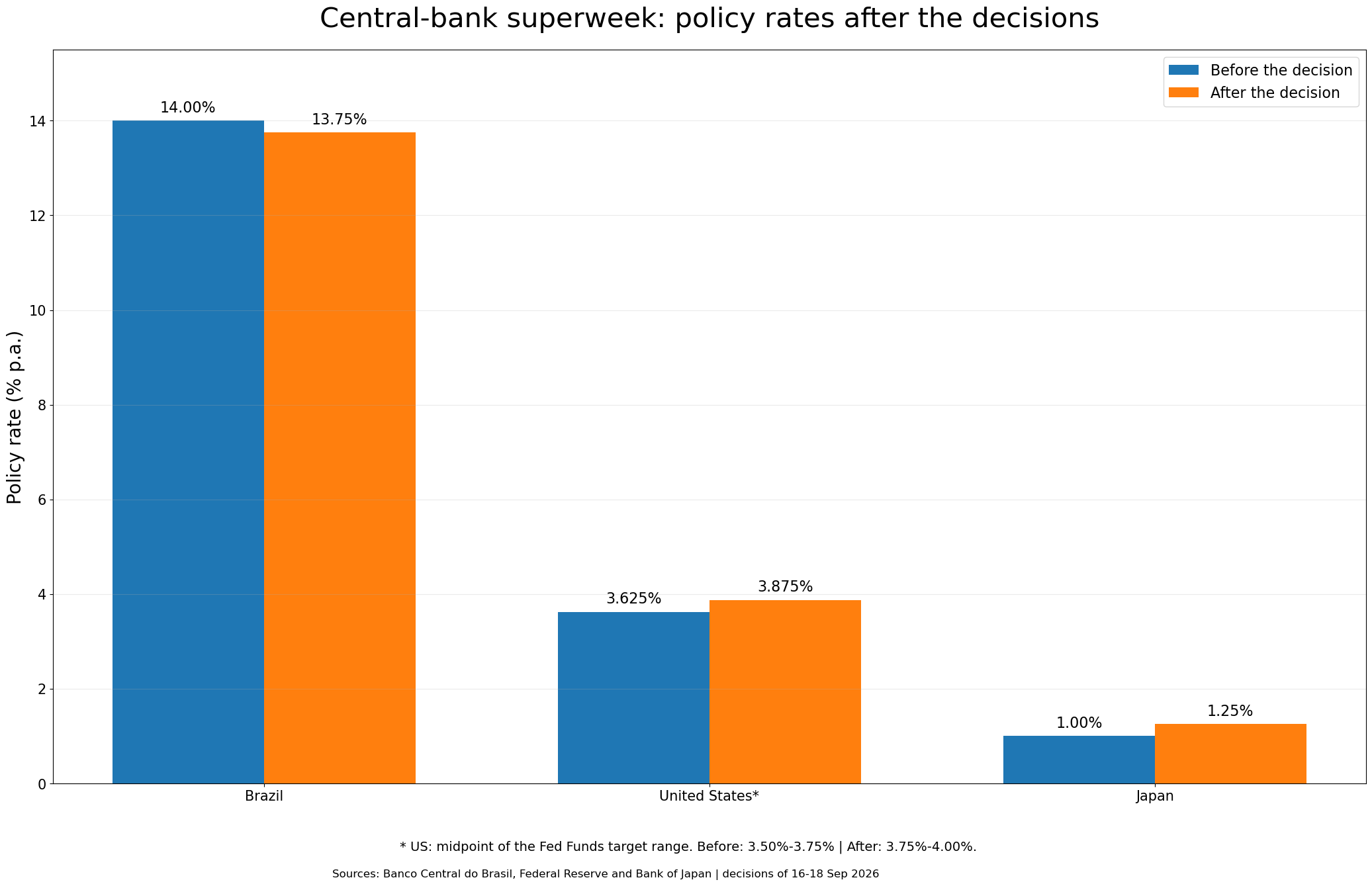
Figure 1. Japan's tightening was smaller in level but important in direction and signaling.

Illustrative image for the article.
In summary
- Japan's absolute interest-rate level remains low, but the symbolism of the change is significant.
- BoJ normalization affects global liquidity, carry trades and the allocation of Japanese savings.
- The pace remains gradual, reducing the likelihood of an abrupt shock without removing the issue from investors' radar.
Sources
- Reuters — BOJ raises interest rates to 31-year high in widely expected move (18 Sep 2026). Access source
- Reuters — BOJ lifts rates to 31-year high, pivots toward preemptive inflation fight (18 Sep 2026). Access source
- Bank of Japan — Monetary Policy Meeting statements for September 2026. Access source
Visual note: charts were prepared for OTR Capital from the sources listed; illustrative images were generated with AI where a chart would not serve the editorial purpose.