
The phrase may sound dramatic, but the underlying trend is real: several European governments now treat security of supply as a component of national security. This does not mean there is a blanket order to “stockpile food” across Europe. It does mean that concrete initiatives, particularly in the Nordic region, aim to build reserves, strengthen coordination and improve resilience in a crisis.
In September, the Nordic countries signed a joint declaration on security of supply, explicitly stating that cooperation should function even under extreme conditions, including war. In Sweden, new legislation already allows the government to establish contingency food stocks. What once might have looked like administrative overcaution is now viewed as strategic policy.
For markets, the interesting point is the implicit cost of resilience. Highly efficient supply chains typically operate with little slack. Systems designed to survive shocks, by contrast, require inventories, redundancy, protected infrastructure and spare capacity. This transition improves security but can reduce near-term efficiency and raise both public and private spending.
Against the current backdrop — war in Ukraine, tension in the Middle East and debate over European strategic autonomy — such initiatives are likely to outlast September. For investors, logistics, defense, energy, storage and critical-infrastructure sectors may benefit from this new mindset. At the same time, the return of security concerns makes the world somewhat less efficient and somewhat more expensive.
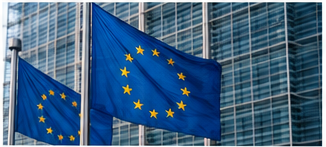
Original AI-generated illustration for OTR Capital.
In summary
- The issue extends beyond food to energy, logistics, telecommunications and critical infrastructure.
- Resilience improves security but tends to increase costs and reduce short-term efficiency.
- Markets should monitor the impact on public spending, defense and production chains.
Sources
- Government of Sweden — Joint Nordic Declaration on Security of Supply (2 Sep 2026). Access source
- Swedish Parliament — new act on contingency reserves of food. Access source
- Reuters and European coverage of supply security and civil preparedness. Access source
Visual note: charts were prepared for OTR Capital from the sources listed; illustrative images were generated with AI where a chart would not serve the editorial purpose.